From time to time we notice the mistake which beginners sometimes make — people wanting to “help” their plants by giving them a little extra fertilizer or pesticide. But in the plant world, “more” can easily turn into the opposite of “better.”
⚗️ How Fungicides and Insecticides Work
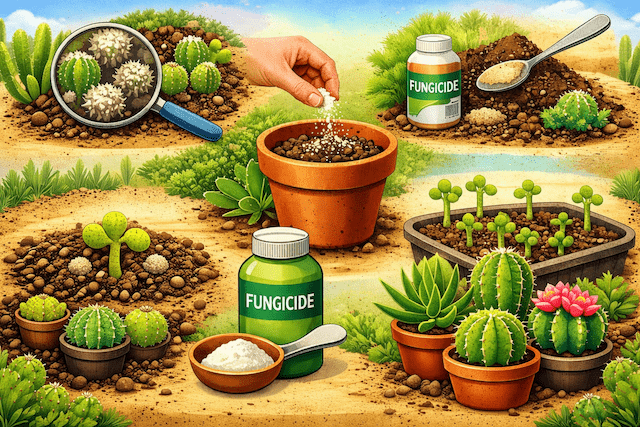
Fungicides and insecticides are active chemical substances designed to act on specific microorganisms or insects. They work through precise biochemical mechanisms — blocking enzymes, disrupting cell membranes, or preventing reproduction of the pest.
👉 These processes require very accurate dosing. Each product’s dose is calculated to be effective against the pest but safe for the plant and the environment.
⚠️ What Happens When You Overuse Them
Leaf and Root Burn Too high a concentration can literally “burn” plant tissues. You’ll see yellowing, necrosis, or leaf drop.
Toxin Accumulation in the Soil Chemical residues build up in the substrate, killing beneficial microorganisms and reducing root respiration.
Resistance Development in Pathogens Just like antibiotics in humans — when used incorrectly, pests adapt and become resistant. Over time, the product simply stops working.
Risks for Humans and Animals Excessive spraying leaves higher chemical residues on crops. That means some of the pesticides may end up in our bodies.
Nutrient Imbalance With fertilizers, “more” can block the uptake of other essential nutrients. For example, excess nitrogen suppresses calcium and magnesium absorption — resulting in soft, weak, disease-prone plants.
🌿 How to Do It Right
✅ Follow the product label carefully. Each preparation has an optimal concentration determined through laboratory testing.
✅ Avoid mixing different products unnecessarily. Some chemicals can react with each other — changing the pH or forming toxic compounds.
✅ Rotate fungicides and insecticides with different modes of action. That helps prevent resistance build-up in pathogens and pests.
✅ Observe your plants. After each treatment, check the leaves and stems — even mild burn marks indicate the solution is too strong.
✅ Whenever possible, use biological or contact products. They act for a shorter time but are safer for the environment and for you.
🌸 Conclusion
In plant care and protection, precision matters more than quantity. Fungicides, insecticides, and fertilizers aren’t “vitamins” that simply make plants grow faster — they are powerful chemical tools that demand respect, attention, and accuracy.
Remember: 👉 The right dose heals. 👉 Too much harms.