Why Cacti Can “Cook” in July Heat: A Story About How Overwatering Can Harm Your Plants
Summer heat brings not only sunny warmth but also challenges for cactus and succulent owners. Many of us know that these plants are perfectly adapted to dry climates and rarely require regular watering. However, despite their resilience, cacti can suffer from excess moisture not only in winter but also during the hot season. This can lead to an unusual and even dangerous effect — they can literally “cook.”
How Does This Happen?
When the temperature outside rises to high levels, above 40 degrees, and we continue to water our cacti as frequently as we do in cooler weather, they may encounter a problem that is hard to imagine: overwatering in the heat. But how does this relate to the heat, and why is it so dangerous?
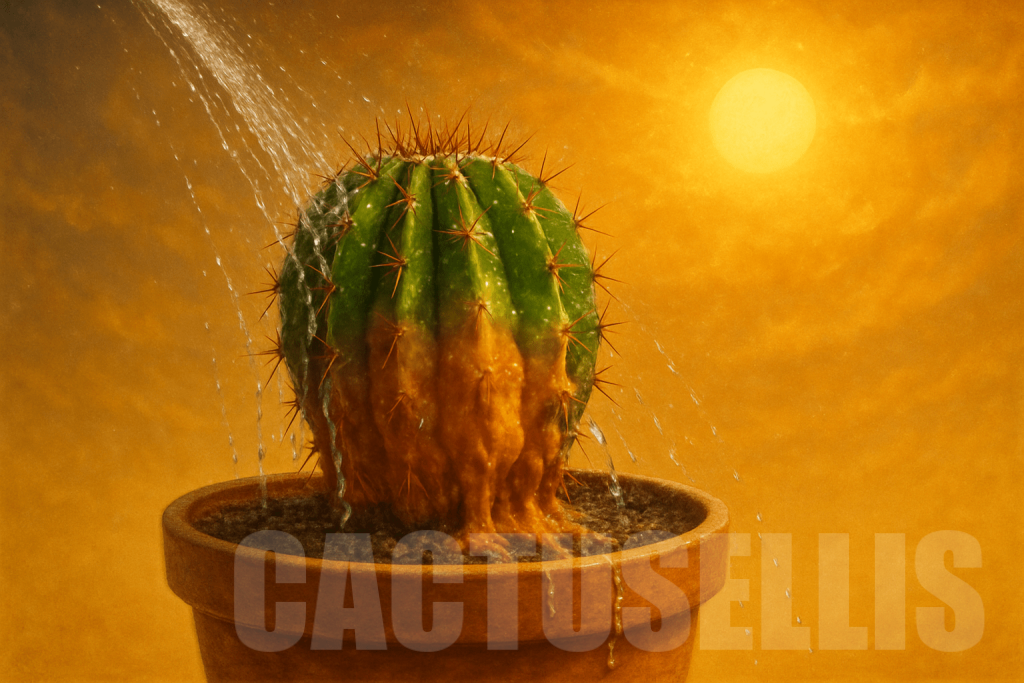
Slowing Down Water Evaporation On hot days, the evaporation of water from the soil occurs faster than the plants can absorb it. In the summer, cacti, like in winter, enter stagnation, and their roots work slower. Excess water in the soil at high air temperatures leads to the “boiled egg” effect, where the plants literally “cook” in the hot and wet soil. This never happens in dry soil.
Why Does This Happen? If the moisture cannot evaporate due to excessive watering, the water in the soil, combined with the heat, begins to create a greenhouse effect that amplifies the heat inside the pot. The soil in the pot heats up to high temperatures, and this becomes dangerous for the plant. As a result, the roots that absorb water start to experience stress, and the cacti themselves can overheat. This leads to overloading the plant cells, disrupting their metabolism, and, as a result, causing significant damage to the tissues. This, in turn, can lead to protein denaturation within the plant cells and even their death.
Water Stagnation and Lack of Oxygen Excessive watering in the heat deprives the roots of the necessary oxygen, and the plants begin to die from oxygen starvation. This is especially pronounced in high temperatures when the plants are already experiencing additional stress.
How to Avoid “Boiling” Your Cacti?
Proper Watering: The most important thing when caring for cacti in hot weather is to water them in moderation. It’s better to water the plants not too often but abundantly, allowing the water to penetrate the deeper layers of the soil without stagnating in the top layers.
Using Proper Pots: Pots with good drainage systems are essential for the health of cacti. It is important that the water can drain freely, without creating stagnant zones in the soil.
Plant Positioning: If your cacti are in direct sunlight, especially during the hottest hours of the day, they can overheat. Place them in a spot with slightly less sun exposure, for example, in partial shade, or use a 40% shade net over them.
Soil Moisture Control: To avoid overwatering, check the moisture of the soil before watering. The best way is to use special soil moisture meters for plants or simply check the soil with your finger. If the soil is still moist, it’s better to wait before watering.
Conclusion
Despite their resilience and ability to survive long periods without water, cacti can suffer from excessive moisture during the hot summer months. Overwatering can lead to overheating and overloading of the plant cells, causing wilting or even death. It’s essential to maintain a balance in watering and consider the climatic conditions to ensure that your cacti continue to delight you with their beauty and vitality in any season.