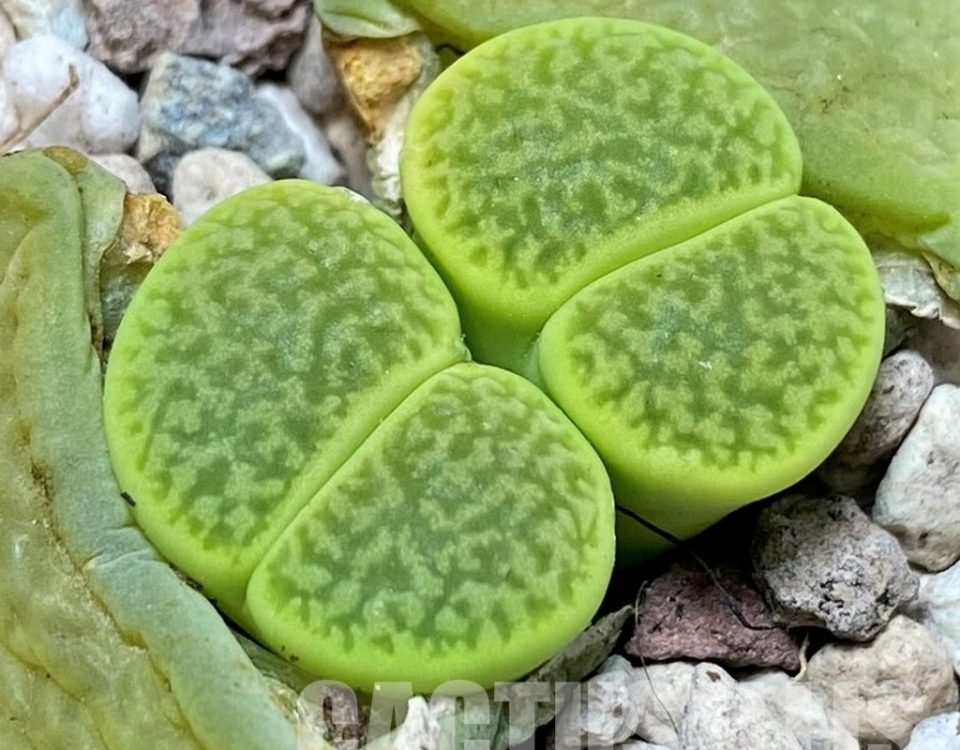
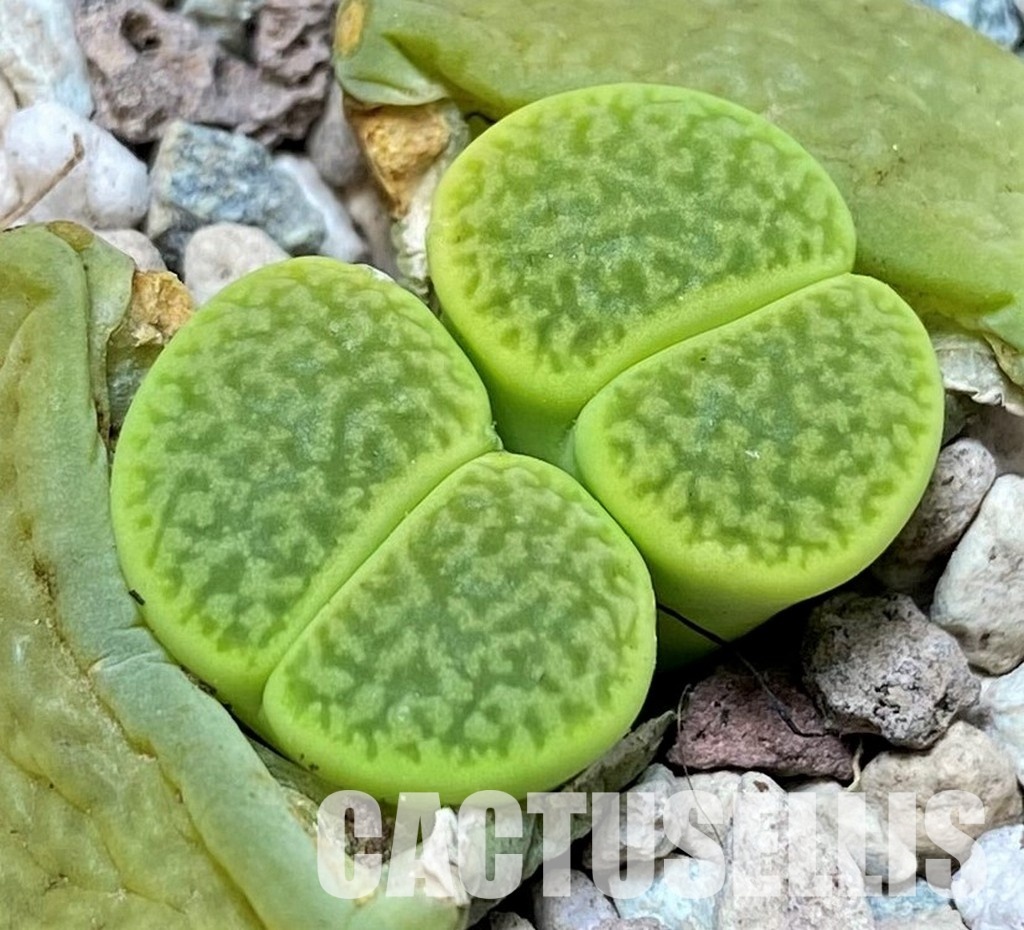
Cacti are among the most resilient and fascinating plants, but even these desert survivors have specific needs. Many enthusiasts focus on watering and light, yet the soil composition, fertilization strategy, and stress prevention are equally, if not more, critical for healthy growth.
1. Choosing the Right Soil
The first step in successful cactus care is selecting the appropriate substrate. Cacti require soil that is:
Well-draining: To prevent root rot.
Light and airy: To allow oxygen to reach the roots.
Slightly acidic to neutral: Most cacti tolerate pH 6–7.
A recommended mix is:
This combination ensures the soil remains light, moisture-balanced, and rich in micro-aeration, promoting strong roots and firm tissue.
2. Fertilizers: Low Nitrogen is Key
Many cactus growers make the mistake of using regular fertilizers. High nitrogen content stimulates rapid, soft growth, which is highly undesirable for cacti:
Guidelines for fertilizing cacti:
Use fertilizers labeled “low nitrogen, higher phosphorus and potassium” (e.g., NPK 5-10-10).
Fertilize once every 2–4 weeks during the active growing season (spring and summer).
Avoid fertilizing during dormancy (fall and winter), as plants will not absorb nutrients efficiently.
3. Supporting Cactus Health During Stress
Even resilient cacti can experience stress during transplanting, repotting, or propagation. One simple and often overlooked method to support them is the use of vitamin B1 (thiamine).
Why it helps: Vitamin B1 participates in carbohydrate metabolism and supports root development. It can help cacti recover faster from transplant shock and improve the rooting of cuttings.
How to use: Prepare a weak solution of vitamin B1 (about 1–2 g per liter of water) and use it for light root watering or soaking cuttings before planting. Avoid overuse, as excessive B1 does not increase growth.
Benefit: While it’s not a miracle solution, B1 can reduce stress and make your cacti more resilient to environmental changes.
4. Handling Overwatering and Splitting
Even experienced growers can sometimes overwater, causing cacti to swell and crack their epidermis. Here’s what to do:
Stop watering immediately and allow the soil to dry completely.
Avoid fertilization until the plant stabilizes.
For minor splits, you can:
Let the plant heal naturally; most cracks will dry and harden over weeks.
Optionally, dust with activated charcoal to prevent infection.
For severe cracks exposing tissue, consider applying a fungicide to prevent rot.
Preventive measures:
Always ensure your soil mix is highly draining.
Water sparingly, only when the soil is completely dry.
Use pots with drainage holes.
Monitor humidity and temperature; cacti prefer warm, dry conditions.
5. Summary
Cacti are low-maintenance in appearance, but they require careful attention to soil, fertilization, and stress prevention. Using the correct soil mix, low-nitrogen fertilizers, and vitamin B1 when transplanting or propagating ensures strong, healthy growth. Avoid overwatering to prevent splits and rot, and your cacti will thrive as vibrant, firm, and long-lived plants.