Autumn is the perfect time to prepare your cacti and succulents for the winter dormancy period. During this time, plants are particularly vulnerable to fungal diseases due to lower temperatures, increased humidity, and reduced natural defenses.
Even healthy-looking plants can harbor fungal spores in the soil or on their surfaces. That’s why applying fungicides in September–October is an essential preventive measure.
Why It’s Important
Prevention of root rot — in autumn, roots slow down, making them more susceptible to fungal attacks.
Protection from leaf and stem spots or mold — especially important for young plants and hybrids with thin skins.
Reduced risk of infection during winter — most fungal spores remain active even at low temperatures, and treatment in winter is more difficult.
Protection during transplanting or repotting — autumn is a common time for repotting, which stresses plants and increases disease risk.
How to Apply
Inspect your plants — remove any dry or damaged parts.
Prepare the fungicide solution according to the instructions on the package.
Treat the plant and soil evenly, making sure to cover all surfaces.
After treatment place the plants in a well-ventilated area until completely dry.
Recommended Fungicides
For home or professional care, the following fungicides have proven effective for cacti and succulents:
Topsin M — a systemic fungicide with a broad spectrum, effective against root rot, powdery mildew, and mold.
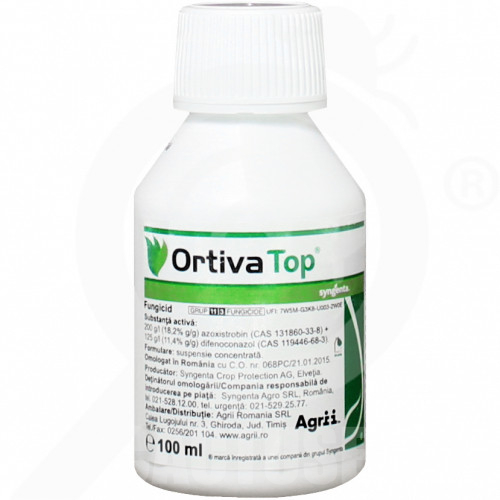
Ortiva Top — a contact and systemic fungicide that protects leaves, stems, and roots, ideal for preventive treatment before winter.
💡 Tip: For preventive treatment, use a mild concentration to avoid damaging young or thin-skinned plants.
Conclusion
Fungicide treatment of cacti and succulents in autumn is key to keeping plants healthy through winter and into spring. Even if your plants look completely healthy, preventive treatment reduces the risk of losing your collection and helps your cacti and succulents thrive and delight you in the next season.