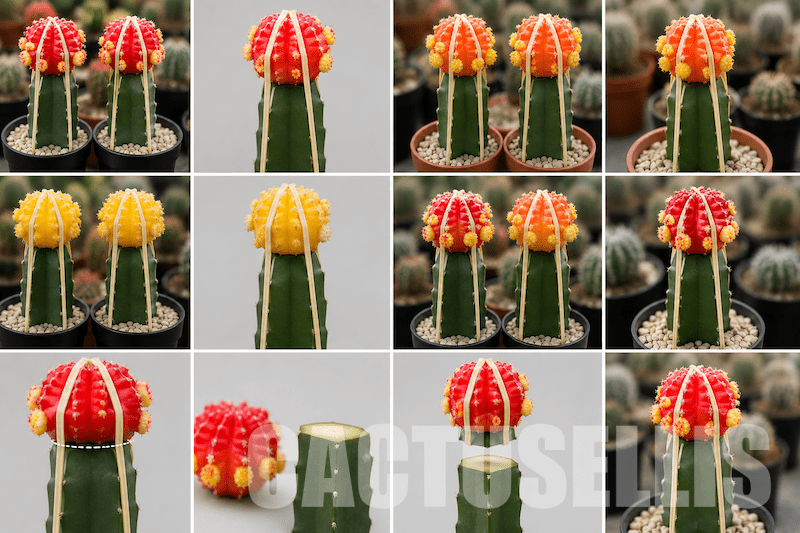
Grafting is one of the most fascinating and useful techniques in cactus growing. It helps accelerate growth, preserve rare forms, and propagate difficult species. However, it also has a vulnerable point — the rootstock.
Sometimes it begins to weaken or die. And the key question arises: what happens to the scion, and can it be saved?
⚠️ What Happens When the Rootstock Fails?
The scion is completely dependent on the rootstock for water and nutrients.
If the rootstock:
• starts to rot
• dries out
• is affected by disease
— the scion will quickly lose turgor, shrivel, and may die.
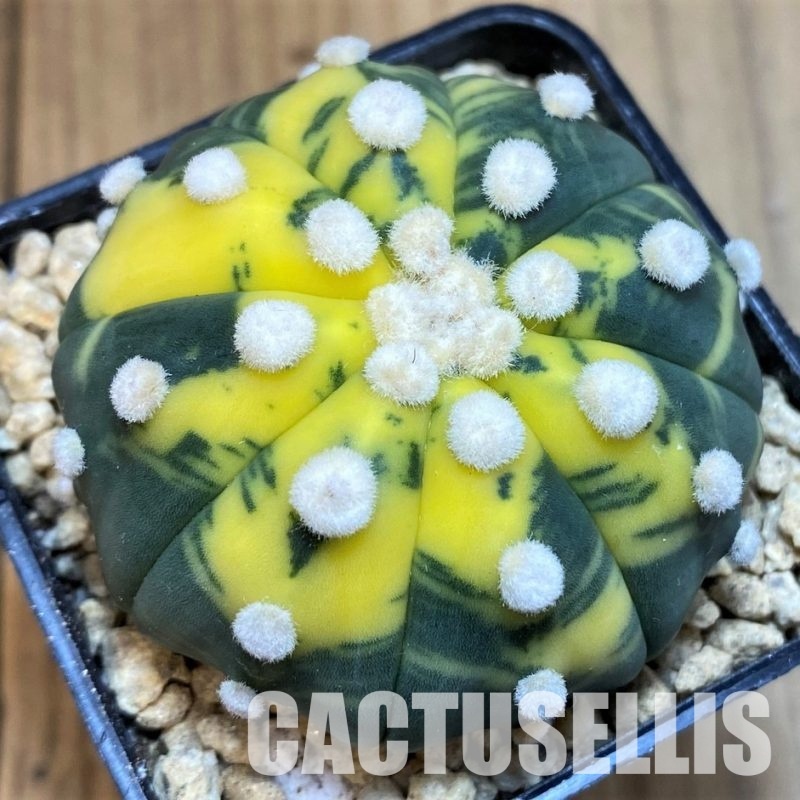
❗ Important: chlorophyll-free forms (bright red, yellow, or fully variegated plants without green pigment) cannot survive without a rootstock. For them, losing the rootstock means rapid decline unless immediate action is taken.
⏳ In such cases, timing is critical.
🔍 Early Warning Signs
Watch for:
• softening or darkening of the rootstock
• unpleasant smell
• halted growth of the scion
• wrinkling or discoloration
If you notice any of these signs — act immediately.
✂️ How to Save the Scion
1. Remove the scion immediately
Carefully cut it off using a clean, sharp knife.
Make sure the cut is healthy and free from rot.
2. Inspect the tissue
If you see any discoloration, keep cutting until the tissue is completely clean and firm.
3. Act without delay
👉 Option A: Re-grafting (recommended)
In this case, do not wait for the cut to dry — the scion should be grafted onto a new rootstock immediately once a clean cut is obtained.
This is especially critical for:
• chlorophyll-free forms
• rare or slow-growing specimens
Use a healthy rootstock such as Myrtillocactus, Hylocereus, or Trichocereus and graft right away.
👉 Option B: Rooting
If the species allows, you can attempt to root the scion as an independent plant.
Keep in mind:
• not all cacti root easily
• the process is slower
• success is not guaranteed
In this case, the cut should be allowed to callus before planting.
💡 Practical Tips
✔️ Always keep spare rootstocks available
✔️ Use sterile tools
✔️ Don’t delay — time can be critical
✔️ For valuable plants, consider backup grafts
✔️ Monitor watering — overwatering is a common cause of rootstock failure
🌱 Final Thoughts
Grafting is a powerful tool for any cactus collector, but it requires attention and timing. The rootstock is the life support system of the scion, and its condition directly affects survival.
The good news: in many cases, the scion can be saved — if you act quickly and correctly.