A practical guide for customers and collectors
Winter postal delivery of cacti and succulents is a common and safe practice used by professional nurseries and collectors worldwide. During the cold season, plants are in dormancy and tolerate transportation much more easily. With proper adaptation after arrival, they quickly rebuild their root systems and continue growing successfully.
Below is a proven adaptation protocol based on real-world experience of cactus and succulent specialists.
1. What to do immediately after receiving the parcel
After receiving your plants, do not rush to plant or water them.
Recommended steps:
carefully remove the plants from the packaging;
inspect the stem base and the root system;
leave the plants at room temperature for 12–24 hours.
This allows plant tissues to acclimate after cold exposure and significantly reduces the risk of rot.
2. Working with the root system
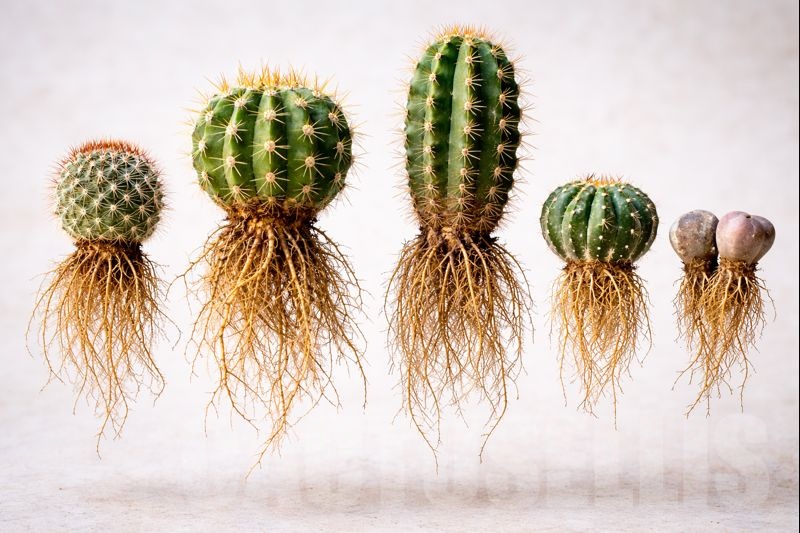
During winter transport, fine absorbing roots often dry out completely — this is normal.
Proper root preparation:
remove all dry, brittle, thread-like roots;
keep only firm, living tissue;
use a clean, sharp tool;
after trimming, allow the plants to dry for 1–3 days in a dry, well-ventilated place.
Important:
Dried roots do not recover. Removing them stimulates the formation of a new, healthy root system.
3. Special considerations for Lithops
Lithops require a specific approach, well proven by experienced growers.
It is acceptable — and often recommended — to:
Why this works:
old roots mainly serve an anchoring function;
new roots actively form from the base of the plant body;
recovery is fast and even.
After trimming, Lithops should be dried for 2–5 days, depending on air humidity.
4. Planting after delivery
Substrate
Planting
The first watering should be done no earlier than 7–14 days, and later if temperatures remain low.
5. Temperature regime
After planting, plants do not require warmth.
Optimal conditions:
These conditions encourage root development and prevent rot.
6. Lighting after delivery
After transport, plants are weakened and not ready for intense light.
Recommendations:
bright but diffused light;
no direct sunlight for the first 2–3 weeks;
if using grow lights, keep intensity moderate and photoperiod shorter.
Sudden exposure to strong sunlight immediately after delivery often leads to burns and growth stagnation.
7. When to start watering
The key principle of adaptation:
Roots first — water later.
Signs the plant is ready for its first watering:
First watering should be:
8. Why winter delivery is completely normal
Professional collectors prefer winter shipping because:
When these recommendations are followed, the survival rate after winter delivery is very high, and plants develop a strong, resilient root system.
Final note
Winter delivery is not stress — it is a temporary pause.
Proper root trimming, dry planting, cool conditions, and patience are the keys to success!