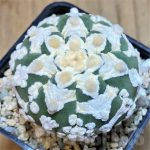
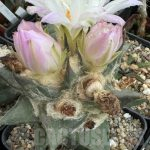
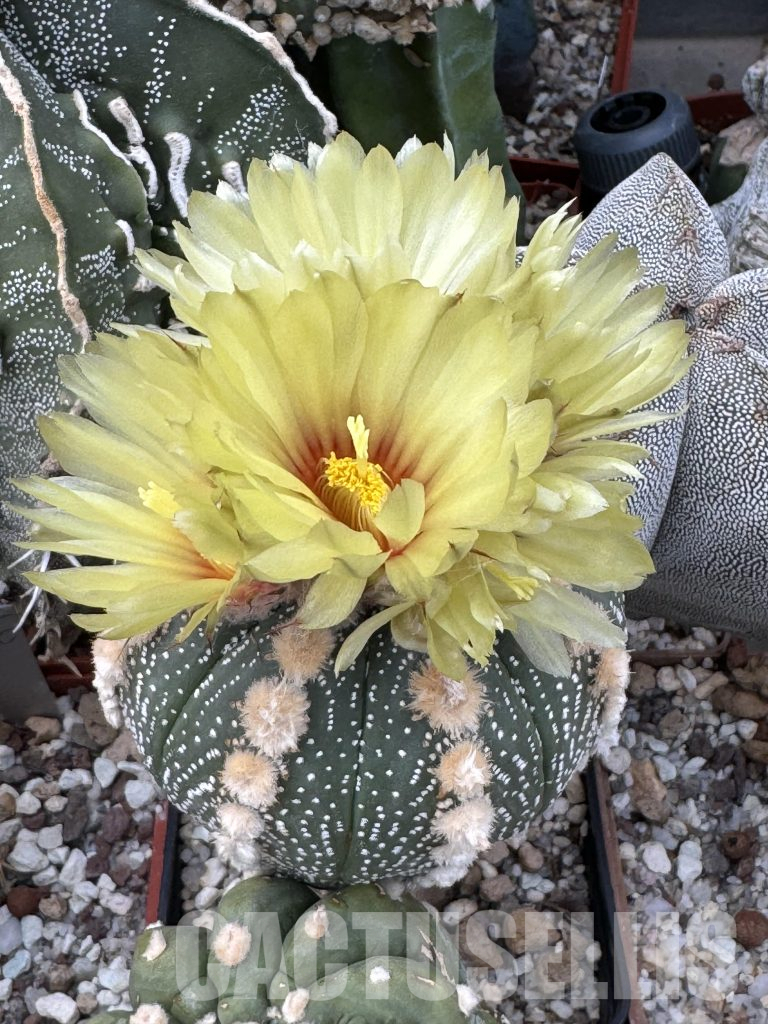
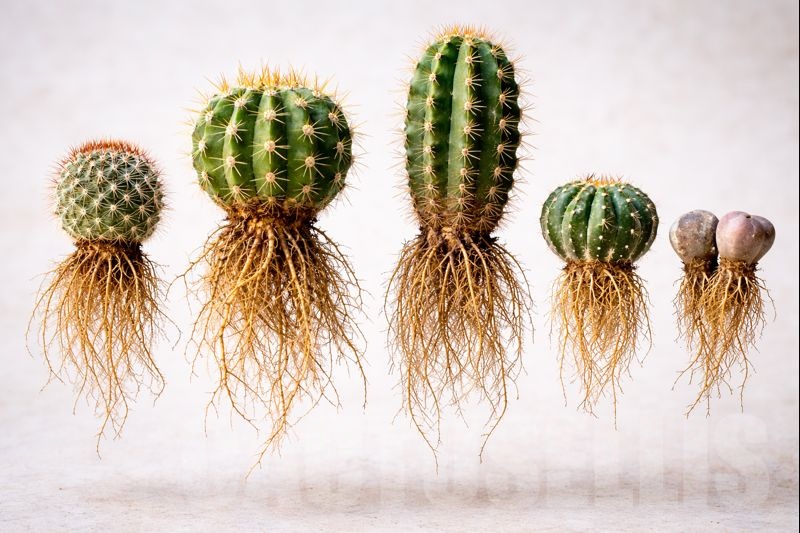
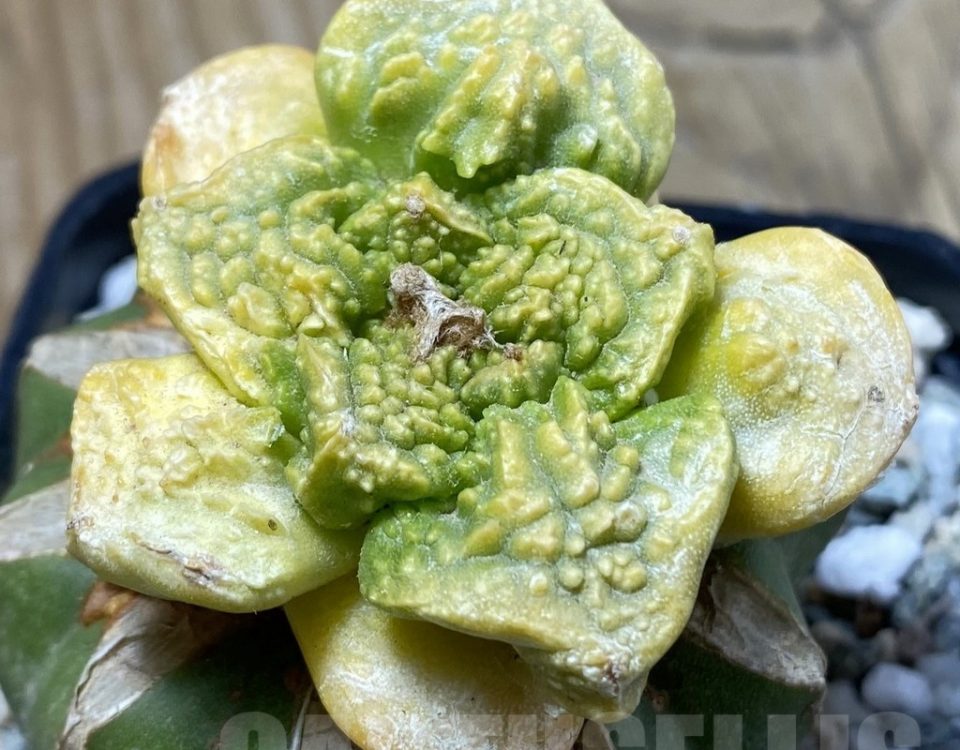
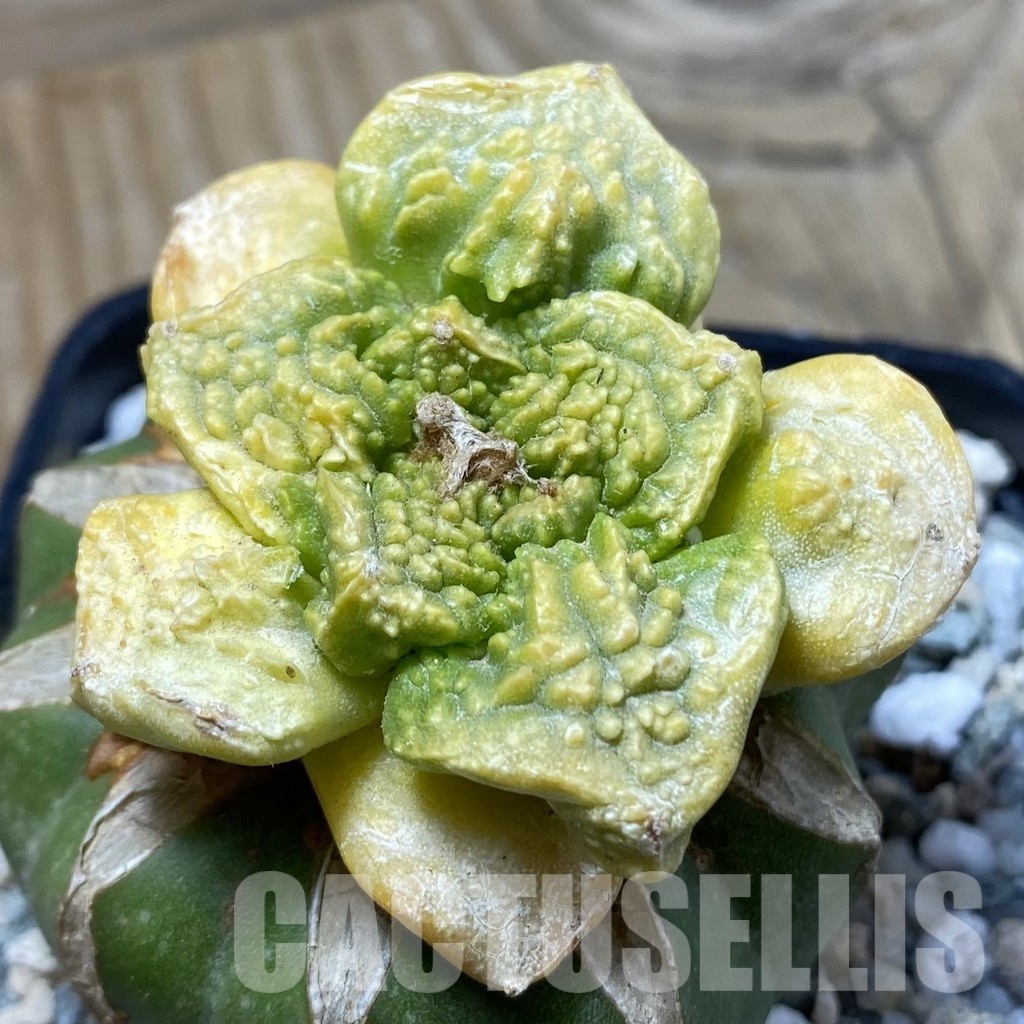
For all the cactus enthusiasts, August is the month when your plants will once again delight you with a second bloom. This month is truly a gift for owners of Gymnocalyciums, Astrophytums, Sulcorebutias, and Lobivias. The peak of the summer heat is behind us, and the cacti are once again ready to brighten our days with their vibrant colors and new spines.
Cacti and Their Summer Care
Many experienced cactus owners minimize watering during the summer to promote the growth of stronger spines and create a compact shape for the plant. This often results in limited blooming, but allows for the formation of incredibly beautiful specimens with dense and expressive spines. However, if you want to observe bud formation and flowering, as well as engage in pollination, sowing, and selecting the most beautiful seedlings, now is the perfect time to water them properly.
Additionally, in a couple of weeks, you can begin fertilizing the plants with fertilizers like Kristalon, which helps to restore the flowering phase in many cactus species.
The Benefits of Proper Watering
Watering in August is crucial. It helps restore the cacti’s energy and prepares them for a second bloom. Even if you’ve kept the plants in a dormant state with minimal watering during the summer, now that the heat is subsiding, it’s time to give the cacti additional moisture. This is especially important for species like Astrophytums and Gymnocalyciums that are actively blooming and need nourishment for a new round of flowers.
Time to Sow Lithops and Haworthias
As the temperatures drop slightly in August, it is the right time to sow Lithops and Haworthias. These plants prefer cooler conditions for germination. In the meantime, during these warm days, seeds of Astrophytums and other cacti start to germinate actively at temperatures of 18-27°C, which is ideal for good germination and initial growth.
What to Do When Seeds Don’t Germinate?
Sometimes, fresh seeds do not germinate right away. In such cases, I dry the pots with the seeds and leave them in the refrigerator for a month, simulating a short winter for the seeds. After a month, I take them out, water them, and cover them with plastic, waiting for germination. This process can take anywhere from a few days to a few weeks, depending on the species. If there are still no sprouts after this, I repeat the process and put the pots back in the fridge.
It’s especially interesting to observe Lithops, where suddenly, in pots that already have one-year-old plants, tiny new seedlings appear! This is truly magical when, alongside the plants that just completed their first skin change, tiny newborn cacti appear.
How I Handle These Situations
Usually, I don’t take immediate action. I give the plants 2-3 months to strengthen, and then I prick out the entire pot. To protect the plants, I always use a fungicide by spraying them to prevent diseases. This helps me keep the seedlings healthy and strong.
But here’s the question: what do you do in such situations? Do you have your own methods for getting seeds to germinate and continue growing under less-than-ideal conditions?
Share your tips and methods in the comments! It will be interesting to hear your ways of caring for cacti during this magical August!